- Sauté foods in beer or wine, instead of full fat. Use a ratio of 3:1 alcohol to fat, for example 3 tbsp. wine with 1 tbsp. non-hydrogenated margarine. Or use low-sodium chicken or vegetable broth.
- Season vegetables with lemon juice rather than butter.
- To make gravies, use 100 per cent fruit juice, vegetable juice or low sodium broth rather than meat drippings.
- Choose lower fat cheeses (20 per cent MF or less), and use sparingly; a little goes a long way.
- Use mashed beans instead of sour cream in dips. Select the type of bean depending on the desired flavour.
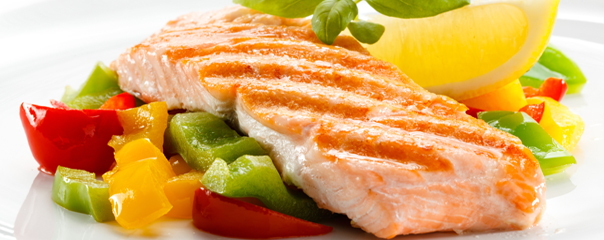
Next, choose a healthy cooking method. The following preparation methods bring out the flavour in foods without adding a lot of fat, calories or salt. Bake, grill, broil or roast – All of these methods expose food to direct, dry heat, while allowing the fat to drip away. (For roasting, place a rack inside the pan.) For best flavour, cook foods just until they reach a safe internal temperature; overcooking will dry them out. Sauté – Quickly cooks small, thin pieces of food. You can use a small amount of oil, or substitute low-sodium broth or water. Steam – Works well for cooking vegetables because it allows most of the nutrients to be retained. Once cooked, add a little lemon juice to bring out the flavour in the veggies. You could also add minced garlic, herbs or spices. Poach – Uses a small amount of liquid, at just below boiling. You can use water or use juice, broth or stock for added flavour. Simmer – Another cooking method that uses liquid at slightly below boiling. Good choice for tougher meats because it tenderizes them during cooking. Braise – Braising involves searing (browning) meat or vegetables in a pan on the stovetop, then cooking it slowly in a small amount of liquid (water or broth). You can retain the liquid and use it for a flavourful sauce. For this method you don’t need an expensive cut of meat. Meats will soften when braised, so inexpensive cuts are actually better. An affordable way to incorporate meat into your menu! The above cooking methods require either no oil, or very little. When you do use oil, choose unsaturated varieties such as olive, canola, sunflower or other vegetable-based oils. Unsaturated fats are most associated with heart health. Starting with healthy ingredients, cooking foods in healthy ways, and enhancing flavours with fresh herbs and spices will have you on your way to nutritious, delicious meals and healthy, happy customers! See also:
 About the Author:
Devon Peart is a Registered Dietitian with a Masters in Community Nutrition, and the Collaborative Program in Women’s Studies, from the University of Toronto. She is a consulting dietitian, writer and Huffington Post blogger. Devon worked for six and a half years for the Heart and Stroke Foundation of Canada’s former Health Check Program, first as Business Development Manager at the national level and then as ON Program Manager. Devon has also provided nutrition counseling in individual and group settings, facilitated workplace nutrition education, worked with child nutrition programs, and in health promotion in a hospital setting. | |