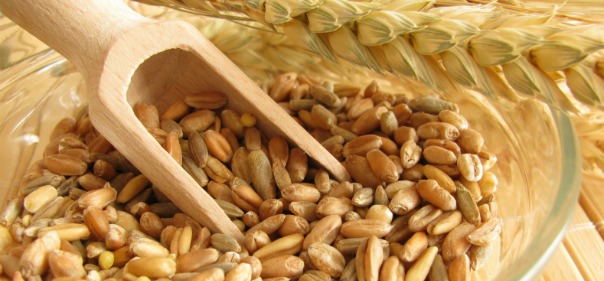
Ancient grains are making their way into upscale and casual restaurant menus across Canada

The adventures of ancient grains
By Liana Robberecht
June 9, 2011


Spelt has gained popularity as a dietary grain due to its nutty flavour, high protein and nutrition content.

Kamut. Spelt. Amaranth. Quinoa. Just the mere sound of these grains evokes images of early Aztec civilizations and daring jungle adventures. More and more, we are seeing these ancient grains make their way into upscale and casual menus across Canada. As chefs, we are always looking for something new and exciting to explore and immerse ourselves in – and now we have found grains! We’ve come a long way since “Uncle Ben’s,” and ancient grains have become the new paints for our culinary canvas. So, what are these grains all about?

Kamut

There are some special attributes belonging to this grain. First, it is extremely resistant to pests, and it is more easily grown organically than most other types of wheat. It has also been discovered that about 70 per cent of people allergic or sensitive to traditional wheat are not allergic to the kamut grain.


Spelt

This is a hexaploid species of wheat (meaning it has six chromosome sets, cool!). Spelt was an important staple in parts of Europe from the Bronze Age to medieval times. It was originally grown in Iran around 6,000 to 5,000 B.C., but it has been grown in Europe for over 300 years and in North America for just over 100 years. Spelt is often used as a feed grain for animals; however, it has gained popularity as a dietary grain due to its nutty flavour, high protein and nutrition content. In present day we find spelt in breads, pizza bases and pastas. 

Amaranth

Amaranth has been cultivated as a grain for 8,000 years. The yield of amaranth is comparable to rice or maize. It was a staple food of the Aztecs and was used as an integral part of Aztec religious ceremonies. Because of the religious ties, the cultivation of amaranth was banned by the conquistadores upon their conquest of the Aztec nation.

Nethris/CGI Jan - 2016

Posted in Uncategorized