A little slice of heaven: Pizza, or flatbread is no longer a ‘cheat day’ food |
 | ||||
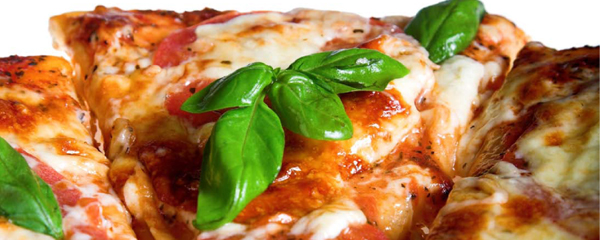 | ||||
Somewhere centuries ago, a dough mixture was flattened into a thin disk and cooked on a hot rock. Voila: flatbread! Since then, it has never gone away. Instead, it has become a staple in our restaurants and on our tables, a go-to comfort food that is both versatile and healthy.
As trends come and go—molecular gastronomy, tapas and small plates, American comfort food, to name a few— pizzas and flatbreads remain solid menu anchors for all dayparts and in every type of restaurant.
Leavened or not, flatbreads have been the tie that binds a world of cuisines like no other food: Indian chapatti and naan, Israeli matzoh, Mexican tortilla, and Ethiopian injera.
For its part, pizza is a king among flatbreads with its wide appeal—and endurance. A thin crust and an extremely hot cooking environment make for satisfying crispy textures and a relatively short time cooking time. Those conditions, along with chefs making the right ingredient selections, are perfect for serving pizza to customers either as a healthy meal or snack choice.
A tabula rasa of foods
“We’ve always viewed pizza as a blank canvas to do whatever you want with. There are no confines,” says Bobby Mottola, co-owner of Winnipeg’s extremely popular Pizzeria Gusto. He points out that across North America there are heavyweight pizzeria precedents.” Pizzeria Libretto in Toronto, Batali’s Pizzeria Mozza in Los Angeles, and Pizzeria Bianco in Phoenix. We’re all doing the same thing. Our menu has evolved significantly from the first day we opened and will continue to do so.”
Simply, it’s a flavour palette for a pizza palate. The flatbread permits market di f f e r ent i at ion a s a healthier food choice, because it is not a premade foodstuff that you grab off the shelf. It can be per sonalized and tailored to an individual customer’s desires.
Creative thinking by chefs and restaurateurs about their flatbread can result in a new look at pizza, including some cool, woodsy mushrooms, pickled shallots, goat cheese, smoked salmon, and garlic confit.
“It is a pizza, and it isn’t a pizza,” says Darryl Haus, a chef at Kitchener, Ontario’s The 41.
With Wolfgang Puck and
“Twenty years ago we were one of the first companies to have a whole wheat crust,” offers Domenic Primucci, executive vice-president of Ontario’s Pizza Nova. “Over time, it disappeared. Maybe because we were ahead of the game. People weren’t really asking for whole wheat crust then. But several years ago, the idea of whole wheat became popular again and we re-introduced it. It’s still on the menu and is a great seller for us.”
At The 41, Haus calls pizza “flatbread” for a specific reason. “When you serve pizza, people have certain expectations,” he explains. “But when you call it flatbread, I think it gives us the chance to exceed those expectations of crust, sauce, cheese, and toppings. It’s a new and different evolution of pizza that they may not have tried before.”
Pizza’s ubiquity might imply uniformity, but The 41 has reconfigured their dough and the shape of the crust, popped it into a small counter-top stone-base oven that sits at around 700-degrees F, added inventive toppings and called it by its ancient cookedon- a-hot-rock-name flatbread.
The dough, in fact, is a 20-year-old recipe that has been tweaked and altered by their baker, who has added whole wheat flour for texture and a bit more olive oil for a crispier crust. The dough is pre-fermented and a bit is held back each time for the next batch to give an even richer tasting, slightly more acidic crust.
Health-wise, there’s not even a lot of bread to the item and the amount of cheese, Haus points out, is minimal but high quality, meaning it’s packed with taste as a flavour ingredient, rather than a structural component of the dish.