By Gregory Furgala
The Earth Group, a non-profit working in conjunction with the UN World Food Programme to provide food, water and education for children in distressed communities, recently re-launched one of its flagship products, Earth Water, in an aluminum bottle.
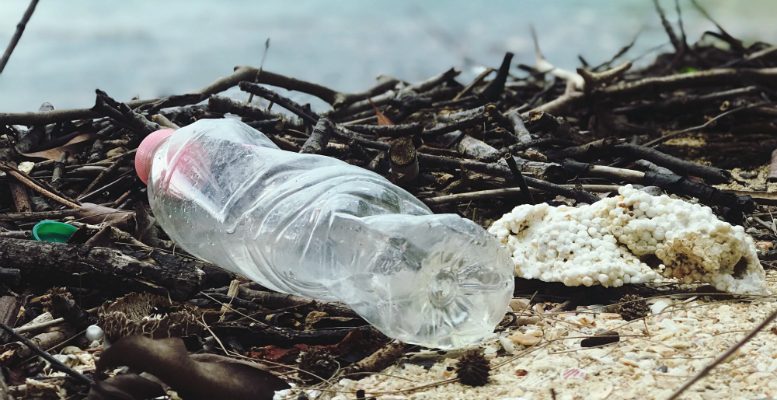
Developed in partnership with the Plastic Bank, a non-profit that helps mitigate plastic waste, Earth Water’s “infinitely recyclable” new bottle is a response to growing international pressure to mitigate plastic waste. On average, only 30 per cent of plastic bottles are recycled, while 70 per cent of aluminum cans are. Moreover, plastic pollution tends to most visible in developing nations, where waste disposal and recycling programs are too inefficient — or non-existent — to deal with the problem.
The Earth Group is following the lead of the several private companies, including Starbucks and McDonald’s, that have taken steps to reduce their plastic footprint. On the national and international scene, the Canadian government championed the Ocean Plastics Charter, a document committing signing nations reducing marine plastic waste.
All profits for Earth Water, and other Earth Group products, are channelled to the UN World Food Programme.