What’s hot and innovative in new cooking equipment
March 10, 2016 | | |
From induction cooking to multi-function equipment such as combi-ovens, today’s chefs and restaurant owners are riding a wave of new and innovative cooking technology that is inspiring recipe creation and helping to improve operational efficiency. Canadian Restaurant & Foodservice News recently reached out to major equipment suppliers to get their take on the hottest trends in innovative cooking technology. Panel: Claudio Baldinelli, vice president, Sales-Canada, Alto-Shaam Inc.
Luis DaSilva, Garland Canada product manager and Ron Sternig, product manager at Garland Commercial Ranges
Christopher Moreland, Ontario regional sales manager/executive chef, Chesher Equipment Ltd.
Edward Nunn, vice president, sales and marketing, CookTek Induction Systems Inc.
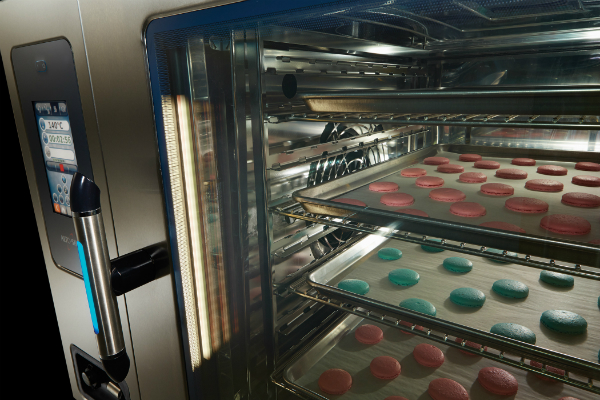
Dustin Skeoch, division manager, Cedarlane Culinary What are some of the most exciting trends and developments pertaining to new and innovative cooking equipment in Canada, and how do these developments reflect current consumer preferences? Claudio Baldinelli: Cooking equipment is being designed directly from chefs’ and restaurant operators’ requests. Whether it’s a small business with limited seating or a large restaurant with an expansive menu, operators are looking for equipment that will make their job easier while providing high-quality, consistent results at a fast speed. Features like picture-based touchscreens and recipe management systems ensure consistency, no matter who is working in the kitchen. Restaurant and foodservice consumers demand speed of service with consistent food quality. When we develop our equipment, we remind ourselves that we are not just creating an oven – we are creating a dining experience. Luis DaSilva and Ron Sternig: Imagine how efficient and fast it would be if you could generate a precise amount of heat in only the cooking vessel itself — no pan, no heat. That’s exactly what induction technology is all about. Induction products give consultants and designers the freedom and flexibility to create beautiful and efficient high-performance professional kitchens. The modular approach also allows flexibility with respect to number of cooking points, full or round coils, wok or griddle, and style of controls. Edward Nunn: Induction cooking has really come of age and certain brands are now offering commercial quality equipment that will stand up to the professional kitchen environment. Induction is fast, efficient, easy to clean, safer to use than a flame and keeps the kitchen cool. New waterless induction holding wells more than halve energy consumption, eliminate water – and all the headaches and cost that go with water – plus they extend food hold times by double or more. Dustin Skeoch: In the past couple years we’ve seen significant price reductions on new restaurant technologies and equipment, all while products have actually been improving. The modernist cooking movement has also been growing, causing pricing on machines such as chamber vacuum sealers, induction burners and sous vide machines to become more competitive and affordable. New equipment innovations such as these allow chefs to explore new ideas and create exciting new menus, all while reducing costs. Another thing we’ve seen is the demand for more automated sous chef work. Instead of paying a line cook to stand there to stir and reduce sauces or custards, we have thermal blenders that will not only do everything a high-powered blender will do, but they also cook, sauté and steam at the same time. You can literally throw in all the ingredients for a lemon curd, set the temperature and speed then come back in 15 minutes and your lemon curd is ready to go – it frees up a lot of time for chefs who are trying to do more with less. | |