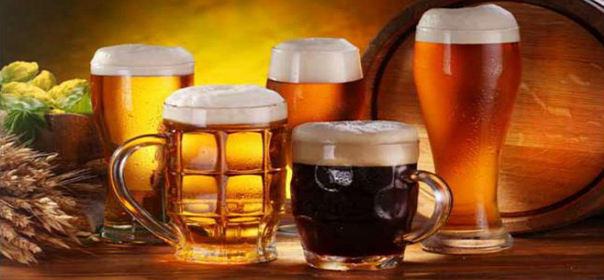
| In order to assess the draught beer system, you should personally pour every beer in the bar. While this seems like a long arduous task, it’s important to see the problems. If beer is not pouring properly, it can cost you thousands of dollars. Foamy beer is usually due to higher temperatures or increased pressure and can be resolved with a little attention to detail. Flat beer occurs with too little pressure or too cold temperatures. A draught professional should be able to get you back on track. The third and most important step is education. It is crucially important to help your staff understand the proper techniques in pouring and serving draught beer. In these days of beer reverence, consumers know what goes into a great draught experience and poor quality leads to decreases in traffic and revenue. Once you’ve provided the opportunity to learn, hold your bartenders accountable for the delivery of profit and quality. The final recommendation is to use beer as a merchandising opportunity. Create a beer menu showcasing the variety of different beers that you offer. Use unique branded glassware for each brand to develop a back bar display – this simple step shows your guest that you care about beer.Smaller environmental footprints The world is changing and those who can’t or refuse to change will be swept away. Beer is no different and we are showing that we too are capable of adaptation and sustainability on the ecological front. - Large global brewers are working hard at reducing their footprint in the world. They are constantly employing new methods of brewing that include using less water. It is common practice to use up to 10 hectolitres of water to produce one hectolitre of beer. Scientific advancements have allowed some brewers to reduce that number to four hectolitres.
- The use of standard industry bottles has created a recycling program in Canada that is unparalleled in the world. Some brewers like Steam Whistle have introduced bottles that can now be reused between 30 to 40 times.
- The local movement in Canada has forced the hand of everyone in the brewing industry. There are now local barley farmers and hop farmers that are meeting the needs of the brewing industry to create provincial or municipally based beers. There are even a few ‘estate’ breweries where the entire beer is created from the grains, hops and water from the surrounding land.
- Glassware suppliers are eliminating harmful toxins like lead from the manufacturing process. To go one step further, Zenan (a supplier of decorated glass) has a unique UV technology that allows the widest spectrum of colours (through organic pigments) to be used to logo glassware without stressing the glass with traditional heat processes. This process also creates a long life to glassware thereby reducing waste.
- Brewers like Steam Whistle brewing have long adopted a “green” philosophy – from deep water cooling, to bio fuels for the delivery trucks and even further to Bullfrog Power which delivers a clean, renewable energy to the brewery. You can find more information on the green initiatives of Steam Whistle at www.steamwhistle.ca/ourbeer/greenInitiatives.php.
Restaurateurs are also working toward sustainable growth. Competition has never been greater and it is encouraging to see the approach of many bars, pubs and restaurants when it comes to the knowledge and education of beer drinkers. There are beer dinners, beer tastings, beer and cheese events and just downright more beer options available to consumers. The future is bright for the beer industry! I have seen more change in the past 15 years that in the previous 30. Sustainability, both economic and environmental, is at the heart of the dynamic transformation we are seeing. What is required now is the faith of the hospitality industry. Embrace the new world of beer and open your menus up to a wonderful opportunity to dazzle your guests. See also:
About the author Roger Mittag, a professor at Humber College’s School of Hospitality, is also the founder of Canada’s leading beer education company Thirst for Knowledge. A consultant to several breweries, Mittag recently created Prud’homme Beer Certification, a sommelier-style program for beer and the first such program in Canada. |