
By Jessica Brill
In today’s economy, poverty, hunger, and homelessness in Toronto – and many other places – are at an all-time high. In the spring of 2023, Toronto City Council declared a homelessness emergency, and several other municipalities have since made similar declarations. Food insecurity continues to rise, with 2023 reports confirming that food banks across the country received nearly two million visits in March of last year alone, up 79 per cent from 2019. In addition, almost one in four Canadians are now facing food insecurity, affecting working and non-working families living above and below the poverty line.
In an effort to help address this crisis, Toronto’s warming centres are located throughout the city to provide shelter when temperatures reach minus five degrees Celsius, or when Environment and Climate Change Canada issues a winter weather event warning. These centres provide pet-friendly shelter and warmth with resting spaces, washroom facilities, referrals to emergency shelters, and meals.
Serving with purpose
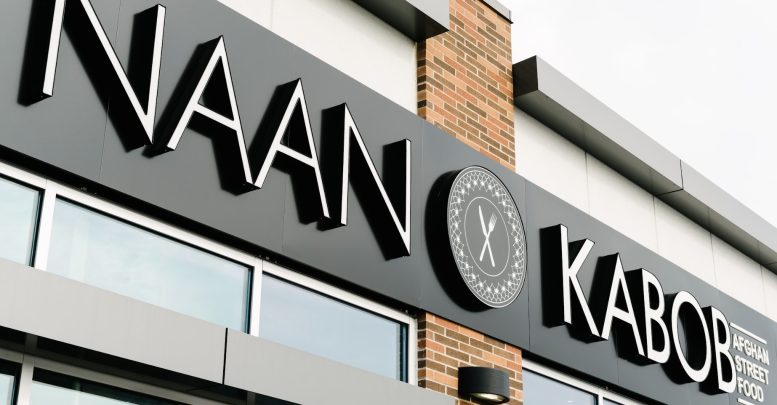
Even as many restaurants continue to struggle with post-pandemic recovery, some businesses are doing whatever they can to help their neighbours with community-led initiatives that make a difference. Along with offering traditional delicious Afghani fare throughout Toronto, Naan Kabob has taken on the task of supporting the city’s warming centres by providing fresh meals including rice, kebobs, and naan to people in need.
“Our city is facing tremendous challenges these days with many people struggling for access to food and shelter,” says Fahim Ahmadi, VP, Marketing & Development (as well as one of the title partners and founders) at Naan Kabob. “It’s not just talk or marketing, we really want to make an impact and see results with our efforts.”
Founded in 2010, the company has grown to include 10 Toronto locations to date. Leading with passion and compassion, Naan Kabob is focused on connecting people with good food and culture, making it their mission to ‘make people feel at home.’
How did this partnership develop? Ahmadi makes it sound simple, “We built great relationships with the organizers, made a plan, and took action,” he says. “It’s our responsibility to help the community however we can.”
It starts with a passion, he says. As homelessness and food scarcity continue to climb, communities need to band together to help those in need and work together to make things better. “It comes from the heart, the desire to help the community in the way we know how.”
Making a difference
“This sort of initiative really speaks to the type of business we are. We are creating a culture that resonates with our staff and our business,” says Ahmadi. Not only has this initiative impacted those on the receiving end of their efforts, but it has also inspired others to get involved and give back. “We are hoping to give other businesses the idea to get involved in their own communities and help support the needs of their neighbourhoods,” he confirms.
Getting their teams involved has helped to create a positive, responsible culture within their business, as well as a passionate, community-focused team, encouraging their team members to ask, “How can we do more?” The company has seen first-hand that doing good work inspires more good work, empowering more people to make a difference in their own way. This ripple effect has helped motivate the team to see what more they can do for the community.
Preparing hundreds of meals at a time is not an easy feat, with kitchen and staff sizes presenting a challenge, but the Naan Kabob teams have worked hard to support each other and reach their goals. As staff meet the people receiving the food, they learn more about the community and build relationships with their neighbours. “This creates a culture of respect, value, and ethics. It shows everyone that with the right intention, you can make a real difference,” says Ahmadi.
Leading the way
How can other businesses get involved in helping their own communities? Start by assessing the needs, determine what is missing, and figure out how you can help fill a void or solve a problem. “It’s easy to make something more complicated, but it can be a challenge to simplify a complex problem,” says Ahmadi.
While getting involved may seem daunting at the onset, Ahmadi recommends starting on a small scale and developing an idea for a project that inspires you. It can be as simple as providing soup in your area through the colder months for a few days a week to see what a difference you can make with a small, manageable gesture.
Once you start to see results, determine how best to continue to grow your efforts for maximum impact. It’s about the community, so collaboration is key. No one business can solve everything. Partnerships are important and working together is vital to get attention for your cause, call on volunteers, and make a significant impact.
“I would suggest you really have to believe in the cause. With good intentions, good follows,” says Ahmadi.
While there’s no exact formula for giving back, businesses need to be strong leaders with core values, creating initiatives that resonate with your mission, your company, and your community.
Looking ahead
Naan Kabob plans to continue its community-focused approach, carrying on with its global goals to provide fresh water, work with food banks, and more, along with supplying the warming centres with hot meals throughout the colder months. They are committed to this initiative, to keeping the momentum and staying focused, working towards increasing their impact. “Being more effective, more efficient, and staying consistent in our goals is what we’re planning,” says Ahmadi. “We are passionate about making a difference and this is the path we are staying on.”
Ahmadi continues, “Giving is its own reward and that’s the message we want to spread and the mantra that we lead our business with,” as Naan Kabob helps address food scarcity in this city, one meal at a time.
This article was originally published in the fall/winter issue of CRFN magazine.


