
By Jude Kamal
Successful restaurants don’t just sell food; they sell an experience, and a strong restaurant concept goes beyond great cuisine and ambiance – it’s also about how effectively you manage the space, layout, and furnishings. Creating a holistic, well-defined concept is one of the most critical steps in launching a restaurant. But with so many ideas and inspirations, narrowing your vision can be one of the biggest challenges.
Building a strong restaurant concept
What makes your restaurant unique is its concept or overarching notion. “Holistic restaurant design” is an all-encompassing method to make restaurants special, in more ways than one. A strong concept is the heartbeat of the restaurant business, influencing everything from operations to guest perception.
Taking a closer look at your restaurant concept is one thing that experts often recommend because it will serve as the foundation of your business. It should be your top priority to look at the minute details of the full experience, from the moment a customer walks through the door to the moment they leave. Ultimately, a well-crafted business concept is the cornerstone of attracting guests and turning them into loyal customers.
Know the culture and demographics of your target market
Creating a strong restaurant concept starts with understanding the demographics of your target audience. You can get a sense of your typical customer base by studying the local area. A closer look can reveal valuable insights into their likes, dislikes, culture, and way of life. This lets you make your offerings more relevant to them. For example, if your restaurant is in a cosmopolitan and high-end area, your goal should be to focus on providing a stylish and sophisticated dining experience.
Even in rural areas, restaurant owners should know about the local cuisine, ingredients, and culture of that area to be better able to align their concept with their customers’ dining preferences.
Layout and flow for restaurant success
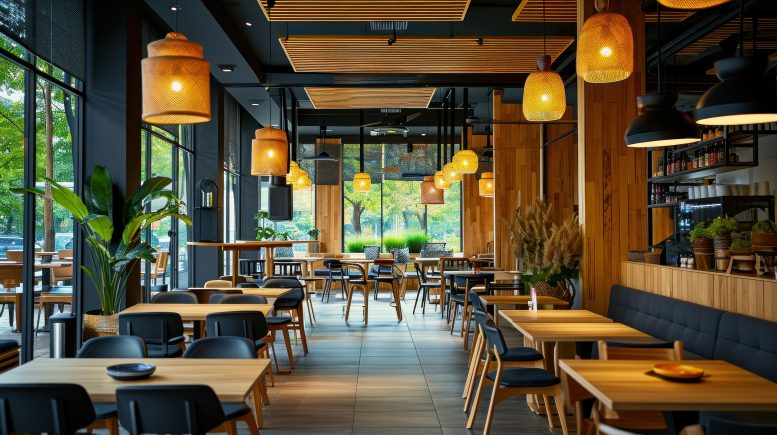
Restaurant layout is an important factor impacting your guest experience, often providing the first impression to new diners. An efficient layout streamlines server movement and minimizes bottlenecks, ensuring smooth traffic flow. This results in faster service, higher table turnover, increased revenue, and greater guest satisfaction. Strategic spatial planning can directly affect how guests engage with your space, encouraging interaction, enhancing comfort, increase accessibility, and even impact their spending behavior. A thoughtful layout isn’t just good design; it’s a competitive advantage that drives customer satisfaction and builds lasting loyalty.
To get the most out of your restaurant’s layout, you need to evaluate customer flow within your establishment. If you can figure out this flow, you can arrange things in a way that makes eating more enjoyable for everyone. Some important areas to think about are:
- The lobby and entryway
- Waiting areas
- Traffic patterns and pathways
- Order fulfilment process
- Easy Access for clean, well-maintained restrooms
Identify your unique selling points
You need to offer something unique, something that sets you apart from the rest. Everything from the food, interior design, and service contributes to a brand and experience that is all your own. Standing out in the crowded marketplace means attracting and retaining visitors as a go-to destination.
Customize your restaurant to suit your theme
The moment customers set foot in your restaurant, they will notice the layout, ambiance, and décor, so prioritizing these factors can help leave a winning first impression. Everything in the area, from the signs to the fixtures to the lighting, the music, and more, should be coherent and support your brand concept.
How layout affects staff productivity and customer satisfaction
A restaurant’s layout can improve service, increase customer satisfaction, boost productivity, lower the risk of injuries at work, and offer a better customer experience. Seating arrangements and traffic flow are also crucial design considerations to maximize client satisfaction with faster service, shorter wait times, and more table turnover. In general, a well-planned layout with ergonomic seating creates a pleasant atmosphere that is advantageous for both staff and clients.
Common restaurant flow challenges and solutions
The smooth movement of customers and staff around a restaurant is important. Multiple flow-related problems can occur in poorly structured restaurants, such as congestion during peak hours, poor kitchen layouts that lead to bottlenecks, a lack of room for customers to move around, and more. The best solutions are the result of careful planning, such as moving furniture around to increase seating capacity, putting up visible signs to direct customers, and arranging kitchen appliances to improve efficiency. In addition, using staggered reservations, online ordering, and table management systems can help minimize congestion and optimize revenue.
Through the use of proactive solutions in layout and flow, restaurants have the opportunity to improve the customer experience, grow their brand, and increase profitability.
Jude founded Sansa Interiors to pursue her passion for interior design and architecture. With over 11 years of interior design experience in both residential and commercial projects, Jude has led multi-disciplinary projects across Canada and built a very distinctive interior design approach. Her energy and love for interior design create a highly collaborative studio.


