By David Hopkins
The return to the office is well underway; commutes are picking up, and workplaces, especially in Toronto, are steadily filling again. But it’s not just corporate offices seeing a revival; co-working spaces, once severely impacted by COVID-19, are rebounding as well. As workplace models become more dynamic, co-working has proven effective for remote teams to reconnect, decentralized companies to establish local hubs, and freelancers to find structure. This momentum signals a growing demand for flexible, well-designed work environments across the board.
However, return-to-office efforts are facing a major hurdle: employee motivation. Many workers are reluctant to give up the flexibility and comfort of working from home. Increasingly, companies are turning to enhanced workplace experiences to help tip the scales – and among the most effective of these are food and beverage.
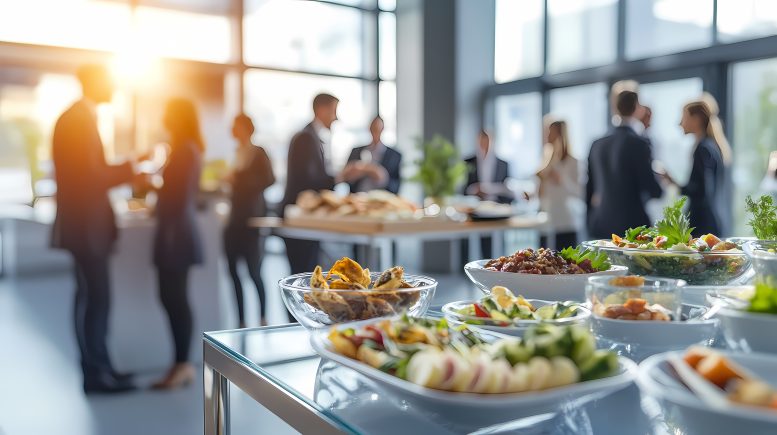
From premium coffee programs to complimentary lunches, curated snack fridges, or dinners for those working late, quality food offerings are becoming essential and thoughtfully designed food and beverage programs are no longer a nice-to-have, they’re a strategic necessity for workplaces. How can restaurants get in on this trend? Catering, marketing to the neighbourhood for meetings and lunches, and events. With the return to work continuing, operators should be taking steps to capitalize on increased visits, fluctuating traffic times, and shifting consumer preferences.
One compelling example of a restaurant’s approach can be seen at Café 295 in Etobicoke. Purpose-built alongside the co-working space Jilani Place, the café is open to the public, while also serving as a central gathering point for those working in the building. While it operates independently, it complements the co-working space by offering a welcoming place to grab a coffee or step away from your desk.
Founder Fahad Jilani explains, “Café 295, surrounded by stunning design, cutting-edge tech, and luxurious workspaces, it’s not just a co-working space — it’s the ultimate destination for inspiration and connection.”
The space itself reflects this vision. It’s beautifully designed, with greenery suspended from the ceiling, curated wallpaper, and upscale furniture. The team is committed to serving real, simple ingredients without additives, and the cafe proudly brews exclusive Guatemalan Arabica beans you won’t find anywhere else. Rather than the usual lineup of muffins and drip coffee, the menu features fresh salads, smoothie bowls, and carefully considered offerings.
This level of intentionality matters to customers. Stocking a few packaged snacks in the break room or ordering pizza once a year no longer cuts it to help create workplaces with positive culture. If a company chooses to invest in food and beverage, it should reflect the brand’s identity and values. A fast-paced firm may opt for grab-and-go options, and in that case, restaurants should be able to support these needs. A tech company might highlight sustainable or innovative suppliers, and this should be a selling point for restaurant owners motivated to connect with like-minded businesses. The point is: food tells a story—and operators can help restaurants tell a compelling one.
Aritzia offers another example with its A-OK café brand. Beyond operating storefront cafes, Aritzia has incorporated a fully branded commissary and café into its Vancouver headquarters. The result? A curated, subsidized menu served in a vibrant, open-concept space. By offering the same level of quality to employees that it does to customers, Aritzia reinforces a strong internal culture of excellence, and operators can help other businesses achieve that balance for their employees.
For companies unable to manage food in-house, even tech platforms are adapting: Uber now offers interfaces for corporate meal delivery, further underscoring how deeply embedded food has become in the modern workplace. Operators should take the time to research the best partnerships to reach their target markets, prioritizing value, ease of experience level of service.
With employees now used to the convenience and comfort of remote work, the expectations for physical workplaces have changed. Done right, food becomes a vital part of creating a workspace that inspires loyalty and drives productivity, and restaurant operators have the opportunity to help achieve this while growing the business.
David Hopkins is the founder and president of The Fifteen Group, North America’s leading hospitality consulting agency. Since 2001, he has helped 1,200+ restaurants make more money.