By Madan Kanala
Efficiency is vital to success in the fast-paced and highly competitive restaurant industry. Maintaining high standards across various locations can be daunting for multi-unit restaurant managers. However, the latest advances in restaurant technology – particularly the Internet of Things (IoT), AI, and robotics – are revolutionizing how these managers can achieve operational efficiency. These cutting-edge technologies can streamline daily routines and enhance overall performance in multi-unit restaurant operations.
IoT for real-time monitoring and control
The Internet of Things (IoT) refers to the network of interconnected devices that communicate and share data. In restaurant management, IoT can significantly enhance efficiency through real-time monitoring and control of various operational aspects.
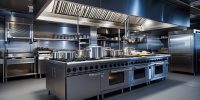
- Smart kitchen equipment: IoT-enabled kitchen appliances can monitor their performance, track usage patterns, and send alerts when maintenance is needed. This proactive maintenance approach reduces downtime and prevents unexpected equipment failures.
- Temperature monitoring: IoT sensors can monitor refrigeration units and other temperature-sensitive areas in real-time, ensuring food is stored at safe temperatures. Automated alerts can notify managers of deviations, allowing quick corrective actions to prevent food spoilage and ensure safety.
- Inventory management: Smart inventory systems can track stock levels in real-time, automatically reorder supplies when they run low, and even predict future needs based on historical data. This reduces waste and ensures that each unit always has the necessary ingredients.
AI for data-driven decision-making
Artificial Intelligence (AI) harnesses the power of machine learning and advanced algorithms to analyze large datasets, identify patterns, and make predictions. AI can be a game-changer in several key areas for multi-unit restaurant managers.
- Customer insights: AI can analyze customer data to provide deep insights into preferences, spending habits, and feedback. This information can be used to personalize marketing efforts, optimize menu offerings, and enhance the overall customer experience.
- Demand forecasting: AI-powered tools can predict future demand based on historical sales data, seasonal trends, and external factors such as local events or weather conditions. Accurate demand forecasting helps managers make informed decisions about staffing, inventory, and promotions, leading to more efficient operations.
- Labour optimization: AI can analyze labour data to optimize scheduling, ensuring that each location is appropriately staffed based on predicted demand. This reduces labour costs and prevents overstaffing, enhancing employee satisfaction and customer service.
Robotics for streamlined operations
Robotics technology is making significant strides in the restaurant industry, offering innovative solutions to enhance efficiency and consistency in daily operations.
- Automated food preparation: Robotic systems can handle repetitive and time-consuming tasks such as chopping vegetables, assembling dishes, and even cooking certain menu items. This speeds up food preparation and ensures consistent quality across all units.
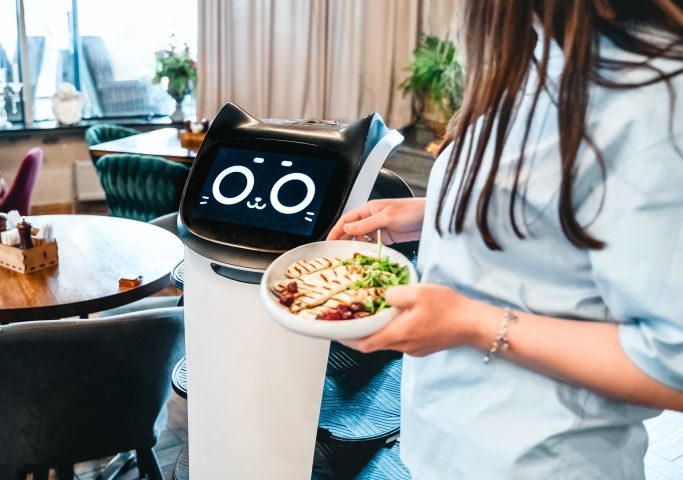
- Service robots: Robotic servers and bussers can assist with delivering food to tables, clearing dishes, and even interacting with customers in a fun and engaging way. By automating these tasks, human staff can focus on providing personalized service and improving the overall dining experience.
- Cleaning and sanitation: Robotic cleaning systems can maintain high levels of cleanliness and hygiene, which are crucial in a post-pandemic world. These robots can clean floors, sanitize surfaces, and even wash dishes, ensuring a safe and spotless environment with minimal human intervention.
Leveraging today’s technology
Integrating IoT, AI, and robotics into multi-unit restaurant operations represents a significant leap forward in achieving operational efficiency. By leveraging these advanced technologies, restaurant managers can gain real-time insights, make data-driven decisions, and automate routine tasks, contributing to smoother, more efficient daily operations.
Embracing these technological advancements enhances efficiency, improves the overall customer experience, reduces operational costs, and supports sustainable growth. As the restaurant industry continues to evolve, staying ahead of the curve with the latest technology is essential for maintaining a competitive edge and achieving long-term success.
Madan Kanala is the visionary Founder and Product Architect at Stratosfy, a pioneering company at the forefront of innovation in multi-unit food service operations. Leveraging his expertise and insight, Madan has spearheaded the development of Stratosfy’s cutting-edge, data-driven, distributed monitoring solutions.