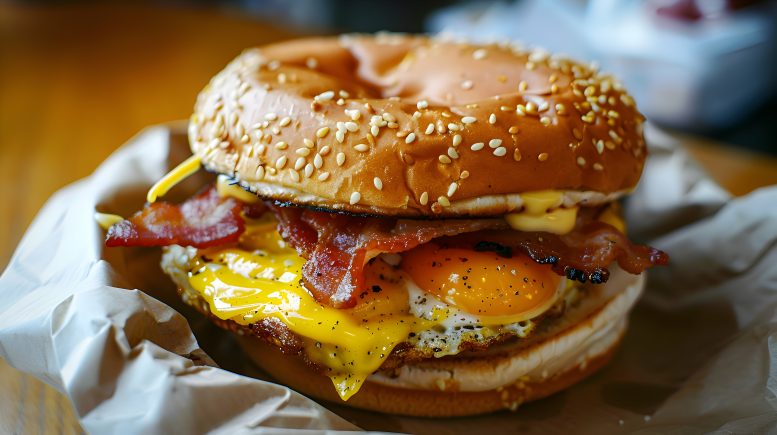
As competition remains fierce in the foodservice industry, some convenience stores are stepping up their efforts to attract more customers in the prepared meal space. Competing mostly with QSRs, many c-stores have added quick, hot and cold grab-and-go meals as part of their offering, and some have even included a drive-thru option for added convenience.
RELATED: Convenience stores increase their value menu offerings to compete with restaurants
Recently, 7-Eleven announced their plans to open 500 new stores that are focused on food. These locations are larger format, with more digital and personalized offerings and fuel pumping stations. So far, locations with this design are performing well, with 13 per cent higher sales during the first year of opening.
According to Jonathan Raduns, CEO of food merchandising and retail consultancy Merchandise Food LLC, convenience stores that “break the boundaries” and make food their focus have a chance at narrowing the gap with restaurants.
However, some convenience stores are finding it more difficult to compete with fast-food restaurants lately, as QSRs add more and more LTOs and value meals. Data shows that 61 per cent of c-stores see QSRs as competition for their foodservice program, and three-quarters of those operators see current fast-food value meals as “concerning.”
As a result, many convenience stores have adjusted their approach, making value an even greater priority with more creative and strategic meal deals. Some operators, like Circle K in the U.S. have adopted a tiered approach, with meals priced at $3, $4, and $5, including breakfast, lunch, and dinner options. David Hall, vice president of global foodservice at Circle K explained, “As customers continue to feel the strain of higher prices on their everyday purchases, we are looking to drive value for them, partnering with our suppliers to bring some great deals where they can enjoy great-tasting meals, quickly and easily at great prices.”
Some convenience stores are focusing on
digital apps and loyalty to grow food sales, launching database-driven options to rival restaurant loyalty programs. Convenience stores already boast a strong connection with their customers, as 80 per cent of their loyalty members return every month, compared to 62 per cent (QSRs) and 58 per cent (FSRs).
Restaurants will need to continue to attract guests with value and a focus on loyalty, as c-stores begin to take a more food-focused approach to business. Loyalty and retention become crucial for the bottom line as restaurateurs compete in an ever-growing crowded marketplace.